December
2025
Insulated Matting for Reliable Electrical Protection
Working near live electrical installations always carries a level of risk. Even well-designed switchboards, transformers and control panels can become dangerous if a fault occurs or if someone makes a mistake during work. One simple yet highly effective measure is to place insulated matting in front of electrical equipment so that workers stand on a protective, non-conductive surface.
At our company, we specialise in electrical insulating matting that supports safer working practices in low-, medium- and high-voltage environments. We manufacture and certify rubber floor coverings according to IEC 61111, help customers select the right class and thickness, and provide documentation that makes compliance easier for safety managers and engineers.
What insulated matting is and why every electrical workplace needs it
Insulated matting, often called electrical insulating matting or switchboard matting, is a vulcanised rubber floor covering designed to reduce the risk of electric shock. It is placed on the floor in front of switchboards, control panels or other live equipment to create a controlled, non-conductive standing area. When people search for what is insulated matting, this is exactly what they are looking for: a reliable insulating barrier between workers and the ground.
It is important to see insulated matting as an additional layer of protection, not a replacement for other safety measures. Even the best insulated rubber matting for electrical safety must always work together with insulating gloves, boots, lockout/tagout procedures, barriers and training. When we support customers, we always explain that the mat is one link in a wider safety chain that starts with proper risk assessment and ends with clear procedures on site.
-
Reduces step and touch voltage in front of live equipment
-
Defines a clear, safe standing zone for electricians
-
Improves slip resistance compared to smooth concrete floors
-
Helps meet internal safety rules and external audits
Insulated matting is used in a wide voltage range, from low-voltage switchboards around 400 V up to installations with tens of kilovolts. Choosing the right class of electrical insulating matting for switchboards is critical because each class is designed for a specific working voltage range. In our portfolio, we focus on certified matting for professional and industrial environments, which we export to many countries where strict safety regulations apply.
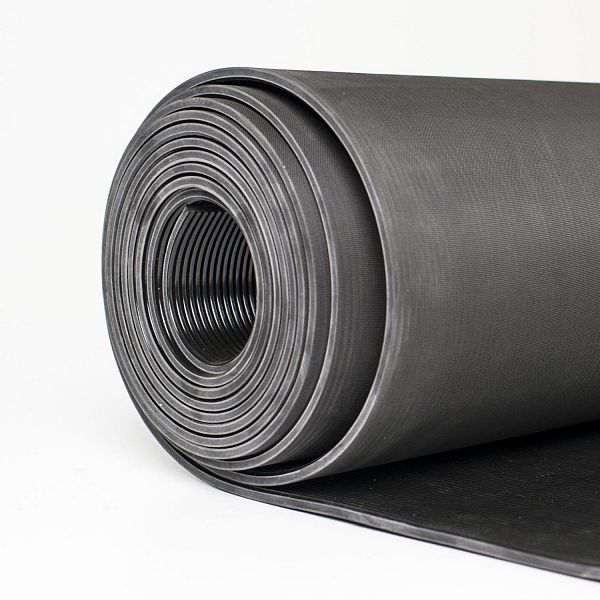
Typical workplaces that require insulated matting
The most common use of insulated matting for electrical rooms is in front of low- and high-voltage switchboards. Wherever people operate or maintain switchgear, MCCs or control panels, they should stand on a properly selected insulating mat. This applies to large transformer stations as well as to small rooms that contain only one main building switchboard. Even small facilities gain a clear safety improvement by installing switchboard insulated matting.
Beyond traditional power distribution rooms, insulated mats are used in transformer bays, substations, industrial plants, rail and metro infrastructure, and modern data centres. Many customers also place high voltage insulated floor mat in front of testing benches where live measurements take place, or in front of UPS systems and generator switchgear in critical buildings. In our experience, any workplace where a person can stand close to energised parts should be checked for the possible use of insulating mats.
-
Transformer stations and HV substations
-
LV and MV distribution rooms in industrial plants
-
Control rooms, MCCs and motor control panels
-
Test benches and service workshops
-
Data centres and critical IT rooms
How insulated matting works in the safety chain
The working principle is simple: electrical insulating matting prevents current from flowing through the worker’s body into the ground. If a person accidentally touches a live part while standing on a conductive floor, their body can become a path for fault current. When they stand on an insulating mat, the resistance between their feet and the floor is much higher, which significantly reduces the risk of dangerous current flowing through the body.
For this principle to work, the matting must be correctly selected, installed and maintained. It should be combined with lockout/tagout, signage, barriers, insulating PPE and regular training. Many customers also ask us how does electrical insulating matting work and whether insulated matting is mandatory. Local regulations vary, but safety managers often treat insulated matting safety requirements as part of their standard concept for live-working or for work inside switchrooms, where the consequences of an error can be serious.
Electrical insulating matting standards and IEC 61111 classes
The key international standard for electrical insulating matting made from elastomer is IEC 61111:2009. It defines five classes (0–4), test methods and acceptance criteria for mats used as floor covering for the electrical protection of workers. When we develop new products, we always follow this standard so that our customers can install mats with confidence that they meet recognised requirements.
In the IEC approach, “class” is not a quality label but a voltage rating. Each class has a defined maximum working voltage, test voltage and withstand voltage. For example, when people search for insulated matting class 0 1000v, they are usually looking for mats designed for low-voltage boards up to 1 kV. Classes 2 to 4 are intended for higher voltages, for example, in medium- and high-voltage substations. Our mats are certified according to IEC 61111 and clearly marked with a durable longitudinal tape along the roll.
|
IEC 61111 class |
Typical working voltage range* |
Typical application examples |
|
Class 0 |
Up to approx. 1 kV |
LV switchboards, small electrical rooms, workshops |
|
Class 1 |
Up to several kV |
Specific LV/MV installations according to local rules |
|
Class 2 |
Medium-voltage levels |
Substations, transformer rooms, HV switchgear |
|
Class 3 |
Higher MV/HV levels |
High-energy substations, heavy industry |
|
Class 4 |
Highest MV/HV levels |
Critical HV bays, special installations |
*Exact values are defined in the standard and in the product documentation; safety managers must always follow applicable regulations.
If you want to see how we apply these classes in our portfolio, you can visit our category of IEC 61111 insulating mats, where we present typical uses for each class.
Overview of classes 0–4
From a practical perspective, Class 0 insulating matting is usually selected for low-voltage installations such as main distribution boards, MCCs and small transformer rooms. When customers ask about class 0 insulating matting application, we advise them to check the highest system voltage on the board and to confirm that Class 0 is sufficient according to regulations. For higher voltages, such as 11 kV or 22 kV bays, they will typically move to Classes 2–4.
Class 2 insulated matting for substations is common in many industrial and utility environments where fault levels are high. Classes 3 and 4 are used in demanding MV and HV transformer bays, where safety margins must be very conservative. In our range, internal designations such as DEK0, DEK2, DEK3 and DEK4 correspond to different classes and surface patterns, but we always explain this in a simple way so that our customers do not feel they are reading a catalogue of codes instead of a clear guide to IEC 61111 Classes 0, 1, 2, 3 and 4.
Compliance, marking and documentation
Proper marking on the mat is essential for safe use. According to IEC 61111 and related standards, the mat should show information such as the standard reference, class, manufacturer, year of manufacture and category if applicable. We use a permanently vulcanised longitudinal tape and embossing to ensure that this information remains legible throughout the product’s lifetime.
Documentation is equally important. Safety managers should store certificates, test reports and declarations of conformity together with site safety documentation. For our insulated matting range, we provide datasheets, certificates and EU declarations so that customers can demonstrate compliance at any time. Many people search for insulated matting marking requirements or IEC 61111 certified insulating mat because auditors expect clear proof that the mats have been properly tested, installed and maintained. For more detailed background, you can also read our article about investing in properly tested insulating products.
Key technical parameters when choosing insulated matting
When you select insulated matting for a new or existing installation, several technical parameters will influence the final choice. The most important ones are the class and voltage rating, followed by thickness, surface finish (fine grooved or cloth impression), colour, basic weight, width and roll length. Customers who compare insulated matting thickness 3 mm 4 mm or similar options often discover that class and correct installation are more critical for safety than small differences in thickness.
Thickness and density influence mechanical durability, comfort and weight. A thicker mat may withstand heavy traffic better and feel softer underfoot, but it is also heavier to handle and may require more effort during installation. Surface pattern affects grip and cleanability, while colour helps with visibility and housekeeping. In our production, we use vulcanised elastomer for all mats, with options such as fine grooved or cloth impression surfaces that provide a good balance between slip resistance, cleaning and wear.
-
IEC 61111 class and voltage rating
-
Thickness and density (mechanical durability and comfort)
-
Surface pattern: fine ribbed, smooth or cloth impression
-
Colour: grey, dark grey, yellow or black
-
Width, roll length and cutting options
|
Parameter |
Effect on safety |
Effect on everyday use |
|
Class / voltage rating |
Decisive for electrical protection |
Must match highest system voltage |
|
Thickness |
Indirect impact via mechanical integrity |
Comfort, weight, ease of handling |
|
Surface pattern |
Reduces slipping when surfaces are wet |
Cleaning effort, resistance to soiling |
|
Colour |
Helps identify standing zones |
Supports housekeeping and inspections |
Surface finish, grip and ergonomics
Surface finish is often underestimated when customers choose fine ribbed electrical insulating mat versus other patterns. Fine grooved mats offer good grip and channel moisture away from the sole of the shoe, which is important when workers wear insulating boots. Cloth impression surfaces provide a slightly softer feel underfoot and are comfortable in standing zones where people spend long periods of time.
When we design patterns, we aim to balance slip resistance, ease of cleaning and wear resistance. Ribbed insulated matting for switchboard areas must resist abrasion from everyday traffic, but it should not trap dirt or metal shavings in deep grooves. In some installations, an anti slip electrical insulating mat with cloth impression is a better choice because it simplifies cleaning while still providing enough grip. We discuss these trade-offs with every customer before recommending one of our surface options.
.jpg)
Dimensions, cutting and customisation
Standard rolls of insulated rubber matting are typically supplied in widths of around 1 m to 1.2 m and lengths of about 10 m. Customers searching for insulated rubber matting roll 10 m usually plan to cut mats on site to match the exact width of a switchboard or the depth of a standing area. We support both standard rolls and custom cuts, so that installers can minimise waste and achieve a neat layout.
In many projects, customers want custom size electrical insulating mat for complex floor plans or walkways that connect several panels. In such cases, we can help define the required insulated matting width for switchboard lines, determine the best orientation of rolls and suggest where to add floor markings or barriers to define safe zones. On our website, you can see examples of Class 0 and Class 2 mats, such as the DEK0 type for lower voltages and the DEK2 type for medium-voltage use.
Where insulated matting is used: typical applications and risks
Electrical insulating matting can be found in almost every sector where electricity is generated, transmitted, distributed or used in larger quantities. In power plants, factories, rail and metro infrastructure, utilities, renewable energy plants, marine and offshore sites, insulated mats define safe standing zones around switchgear and transformers. They help mitigate risks such as arc flash, contact with live parts and step voltage on conductive floors.
Typical standing zones include the front and rear of distribution boards, transformer rooms, control panels, test benches and high-voltage rooms. Electrical insulating matting for substations is often installed in narrow corridors between panels, while insulated matting for transformer room can cover larger areas where several workers may move around. In all these cases, insulated floor mats for switchgear support safe work practices, but they must be integrated into a wider safety concept.
|
Environment |
Typical risks |
Role of insulated matting |
|
Power plants & substations |
High fault levels, arc flash, step voltage |
Defines safe zones, reduces shock risk |
|
Industrial factories |
Conductive dust, oil contamination, heavy traffic |
Provides non-conductive, slip-resistant surface |
|
Commercial buildings |
Maintenance errors, unexpected faults |
Improves safety in LV switchrooms |
|
Data centres |
Critical IT load, UPS and generator switchgear |
Supports safe intervention in emergencies |
Industrial and utility applications
In utilities, heavy industry, oil & gas, mining and manufacturing, fault levels and environmental stresses are typically high. Here, industrial insulated matting for factories and substations must cope with mechanical wear, occasional contamination and intensive traffic from operators and maintenance staff. Many of these sites also have strict internal standards that go beyond legal requirements.
For such demanding conditions, we provide rugged, certified substation electrical insulating matting that has been tested for mechanical puncture resistance, slip resistance and dielectric performance according to IEC 61111. Utility companies and industrial sites appreciate that our mats fit into their existing specifications, audits and periodic testing regimes, so they treat them as utility approved insulating mats rather than as generic floor coverings.
Commercial buildings and smaller facilities
In commercial buildings, hospitals, data centres and administrative complexes, electrical rooms may not look dramatic, but they remain critical for safety. A single main switchboard or UPS room can represent a major risk during maintenance or fault finding. Insulated matting for electrical room in building therefore makes sense even at lower voltage levels.
We often work with facility managers who want simple, reliable switchboard mats for data center or office buildings. They know that insulating rubber matting for maintenance reduces risk during interventions, supports compliance and is a visible signal that electrical rooms are treated with respect. For these customers, we focus on practical aspects such as ease of cleaning, neat layouts and clear marking of standing zones.
How to select the right insulated matting for your installation
Choosing insulated matting does not have to be complicated. A simple step-by-step approach helps ensure that the right class, thickness and surface are selected. Many customers who search for how to choose insulated matting or which class of insulating mat do I need just need a clear and structured guide that they can document in their risk assessment.
We usually recommend the following sequence: first determine the maximum system voltage in each area; then define work practices and whether live-working or switching is performed; next select the IEC 61111 class that meets or exceeds this voltage; finally, choose thickness, surface pattern and colour based on mechanical and ergonomic needs. Cost should never lead to downgrading the class, because the consequences of an accident can easily exceed the savings from a thinner or lower-rated mat.
-
Define maximum system voltage for each board or bay
-
Clarify work practices (live working, switching, maintenance)
-
Select IEC 61111 class according to voltage and regulations
-
Choose thickness and surface based on traffic and environment
-
Plan layout, cutting and maintenance procedures
Matching insulated matting class to system voltage
In practice, many low-voltage switchboards up to 1 kV can use Class 0 matting when permitted by local regulations. For example, insulated matting for 11 kV switchgear will typically require a higher class such as Class 3. In some cases, class 3 insulating mat for 26 kV or Class 4 matting for even higher voltages will be the right choice. We always emphasise that indicative guidance must be checked against the standard, national rules and internal company requirements.
Engineers and safety managers should document their reasoning so that auditors can see that electrical insulating matting voltage rating was correctly applied. For complex projects, we encourage customers to involve our technical support team at an early stage. Together we can review single-line diagrams, specify classes for each bay and ensure that the final layout works both electrically and mechanically.
Balancing durability, comfort and budget
Once the correct class is defined, the next step is to balance durability, comfort and budget. Thicker, heavier mats are more robust in heavy-traffic areas but can be harder to move or install. Thinner options are easier to handle but may require more careful protection from mechanical damage. In every case, high-quality durable insulated matting for heavy traffic tends to reduce lifecycle cost because it avoids frequent replacement.
When customers ask about insulated matting lifespan or the best insulated matting for industrial use, we remind them that the cost of downtime or an accident far exceeds the cost of the mat itself. By investing in certified products with proven mechanical and dielectric performance, they protect not only people but also their operations and reputation. On our blog, you can find practical advice in articles such as “Safety first with the right electrical insulating matting”, which show how others approach this balance.
Certified insulated matting from BOGUMA: safety and reliability
BOGUMA is a specialised European manufacturer of rubber flooring, rubber sheeting and electrical insulating products. For many years, we have focused on BOGUMA electrical insulating matting according to IEC 61111 and on related safety products. Our insulated mats are tested and certified in Classes 0, 2, 3 and 4, with clearly defined operating, test and withstand voltages documented in certificates and datasheets.
We work with global clients from utilities, heavy industry, transport, data centres and public infrastructure. They rely on us for consistent quality, reliable delivery and technical support during design and installation. For safety managers who search for a certified insulated matting manufacturer in Europe, it is reassuring to cooperate directly with a producer that controls the whole chain, from formulation and vulcanisation to marking and testing.
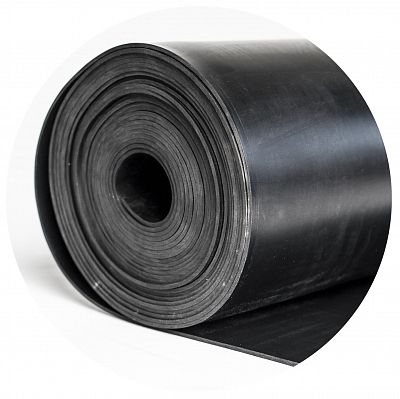
Product range overview without turning into a catalogue
Our product range covers several classes, surface patterns and colours to match different applications. For example, we offer fine grooved mats in grey, dark grey, black or yellow, smooth and cloth-impression mats for heavy-duty use, and various thicknesses that go hand in hand with the IEC class. Customers can therefore select mats for indoor heavy-duty LV switchrooms, medium-voltage substations or high-voltage transformer bays without feeling overwhelmed by codes.
Instead of a long list of references, we prefer to highlight key benefits common to the entire range: permanent marking tape, controlled thickness, stable electrical properties and full documentation support. Typical examples include our Class 0, Class 2, Class 3 and Class 4 mats, such as the DEK4 type for high-voltage applications, which combine proven electrical performance with a surface suitable for intensive use. For customers searching for BOGUMA class 2 electrical insulating matting or BOGUMA rubber insulating mats for substations, we provide direct contact with our technical team rather than only a catalogue page.
Why safety managers choose BOGUMA insulated matting
Safety managers often tell us that they choose our mats because of safety, compliance and long-term cooperation. They need trusted electrical insulating mat supplier support, not just a shipment of rubber rolls. We help them integrate mats into safety procedures, training materials and inspection checklists, and we provide documentation that makes external audits easier.
Another reason is communication. When customers ask technical questions, request test reports or need to coordinate deliveries with shutdowns, they can talk directly to people who understand IEC 61111 and electrical safety. Over time this builds confidence that they are installing reliable insulated matting for safety managers and their teams, not just generic rubber sheets that may or may not meet the standard.
Installation and maintenance of insulated matting
Even the best insulated mat can only perform well if it is properly installed and maintained. That is why we provide clear insulated matting installation instructions and maintenance guidelines to all customers. When mats arrive, they should be unpacked carefully, avoiding sharp tools that could cut the surface. Rolls should be stored in a dry place away from direct sunlight, oils and aggressive chemicals.
Before laying, the floor should be checked for moisture, cracks and contamination. According to IEC 61111 requirements and good practice, the subfloor must be dry, clean and level so that the mat adheres well and does not trap moisture. Regular cleaning and periodic testing are then necessary to maintain dielectric properties throughout the product lifetime. Many customers rely on our guidance when defining how to maintain electrical insulating matting and how to set cleaning intervals for insulated rubber mats.
Preparing the floor and positioning mats
Proper preparation of the subfloor is the first step. Floors should be cleaned of dust, oil, grease and metal shavings, and allowed to dry completely. Any sharp edges or protrusions that could damage the mat must be removed. When customers ask how to lay insulated matting in front of switchboard, we advise them to think in terms of safe standing areas rather than only board width.
The mat should extend beyond the normal standing position in all directions to allow safe movement, including door openings and access to handles. In busy areas, fixing strips or mat holders may be used to prevent movement and curling. Where several mats are joined, they should be arranged so that people cannot trip over overlaps. In many cases, floor markings are added around the mats to visually emphasise the safe zone.
Inspection, testing and replacement intervals
Regular inspection is essential for safe long-term use. A simple insulating mat inspection checklist can include checks for cracks, cuts, burns, swelling, contamination, surface damage and unreadable marking. If serious defects are found, the mat should be removed from service immediately. Customers often ask how often to test insulated matting; typical practice is at least once per year or according to internal company rules and local standards.
During retesting, a qualified technician checks dielectric properties according to the relevant class. We provide usage and maintenance guidelines to help customers define when to replace electrical insulating mats. As a rule of thumb, any mat that has lost its legible marking, shows deep mechanical damage or has failed a dielectric test must be replaced without delay.
Common mistakes with insulated matting and how to avoid them
Even experienced organisations sometimes make mistakes when purchasing and using insulating mats. The most common ones are selecting the wrong class for the voltage, using worn or damaged mats, covering mats with non-insulating carpets or other floor coverings, poor cleaning practices and lack of training. These errors can reduce or even eliminate the protective effect of the mat.
The consequences can be serious: electric shock, non-compliance with standards, problems with insurance cover and costly operational downtime. That is why many safety professionals search for common mistakes with electrical insulating matting and insulated matting safety tips before updating their procedures. A few simple rules can prevent most problems:
-
Never use a lower class than required for the highest voltage
-
Inspect mats regularly and remove damaged pieces from service
-
Do not cover mats with non-insulating carpets or rubber without certification
-
Train workers where to stand and how to check mats before use
-
Document testing and replacement intervals clearly
Training workers to use insulated matting correctly
No safety measure is complete without training. Workers should understand that insulated mats are not ordinary floor coverings but part of electrical protection. Training should explain where mats are installed, where they must stand during switching or maintenance and which footwear is compatible. Many customers include insulated matting training for electricians in their general electrical safety courses.
Simple visual aids such as floor markings and signage can reinforce good habits. Procedures should specify that workers always stand on the mat when working near live parts and that they report any damage immediately. By integrating electrical safety floor mat procedures into everyday routines, companies ensure that people do not treat mats as furniture but as critical safety equipment that deserves respect.
Insulated matting as part of a complete electrical safety concept
Insulated matting should never be seen in isolation. It is one element in a complete safety concept that also includes insulating blankets, barriers, PPE, tools, lockout/tagout procedures and formal risk assessments. Together, these measures reduce the probability and severity of accidents in electrical rooms and substations.
Choosing a single trusted manufacturer for insulating mats and related products simplifies compliance and documentation. When customers work with us, they know that all mats in their sites follow the same standard, have comparable markings and are backed by the same certificates. This makes it easier to review existing installations and identify areas where upgrading to modern, certified matting can quickly improve safety.
Steps to improve electrical floor safety with BOGUMA
We often help customers develop a step-by-step roadmap for improving electrical floor safety. The first step is to audit existing floors around switchboards, transformer rooms and HV equipment. This includes listing all boards and bays, noting voltages and work practices, and checking whether mats are present and in good condition. Many companies discover that some critical areas have no matting at all, or that existing mats are old and uncertified.
The next step is to define voltage levels, traffic intensity and environmental conditions for each area. On this basis, we propose a consistent concept of insulated matting across all sites: which class to use, where to place mats, what surface patterns and colours to choose and how to organise inspection and testing. By standardising insulating mats across sites with the support of our team, customers gain better control over risk, clearer procedures and a safer workplace for everyone who works near live electrical equipment.
FAQ
What is insulated matting for electrical safety?
Insulated matting for electrical safety is a specially designed rubber floor covering that creates a non-conductive standing area in front of live equipment. It reduces the risk that electric current flows through a worker’s body into the ground if a fault or mistake occurs. Unlike ordinary rubber mats, it is tested and certified according to standards such as IEC 61111 and clearly marked with class and manufacturer. When people search for what is insulated matting, they usually want a mat with defined voltage rating, not just any rubber sheet. In practice, these mats are installed in front of switchboards, control panels, transformers and test benches to support safe work procedures. Together with PPE, barriers and training, they form an important part of the overall electrical protection system.
Which class of insulated matting do I need for my switchboard?
The correct class of insulated matting depends on the maximum system voltage of your switchboard and on local regulations. As a rule, you must always choose a class whose working voltage is equal to or higher than the highest voltage present. For many low-voltage boards up to around 1 kV, Class 0 matting is used, but this must be confirmed against applicable rules. For medium- and high-voltage switchgear, higher classes such as Class 2, 3 or 4 are normally required. When you are unsure which class to select, it is best to consult your electrical engineer or safety manager and share the relevant datasheets. Our technical team can also help you interpret the standard and match the insulated matting voltage rating to your installation.
What is the difference between insulated matting and rubber safety mats?
At first glance, insulated matting and general rubber safety mats may look similar, but their purpose and testing are different. Electrical insulating matting is designed specifically to protect against electric shock and is tested according to standards such as IEC 61111 for dielectric strength, puncture resistance and other parameters. Ordinary rubber safety mats are often intended only to improve slip resistance or comfort underfoot and may not provide reliable electrical insulation. They might not have any voltage rating or certification at all. For this reason, rubber safety mats must never be treated as a substitute for certified insulating mats. If your goal is electrical protection, always look for clearly marked, tested and certified electrical insulating matting with documented voltage ratings.
How thick should electrical insulating matting be?
The thickness of electrical insulating matting is determined mainly by its class and the manufacturer’s design. In practice, you should not choose thickness based on comfort alone, but rely on the tested construction for each class. Thicker mats can offer better mechanical durability and a softer feel for long periods of standing, while thinner mats are lighter and easier to handle during installation. However, electrical protection always comes from the complete certified product, not just from thickness in millimetres. When comparing options such as 3 mm versus 4 mm mats, focus on whether both are certified for the voltage you need. Your safety manager can then decide which thickness is more practical for the specific location and expected traffic.
How often should insulated matting be tested and replaced?
Insulated matting should be visually inspected on a regular basis and electrically tested at intervals defined by standards or internal company rules. Many users adopt an annual testing interval carried out by a qualified technician, but some high-risk installations may require more frequent checks. During testing, the mat is subjected to a specified voltage to confirm that its dielectric strength still meets the class requirements. Mats that fail the test or show serious damage must be removed from service immediately. Replacement is also necessary when markings become illegible or when the surface is heavily worn, cut or contaminated. By keeping records of inspections, tests and replacements, safety managers can demonstrate that insulated matting remains reliable throughout its lifetime.
Can insulated matting be used outdoors in substations?
Some types of insulated matting for substations can be used outdoors, but this always depends on the product design and manufacturer’s instructions. Outdoor environments expose mats to UV radiation, temperature changes, moisture, oil and chemical contamination, all of which can affect performance. When you plan to use mats outside, you must choose products that are explicitly approved for outdoor use and apply stricter inspection routines. In many projects, mats are installed inside control rooms or sheltered walkways rather than directly in open yards. Our technical team can help you decide whether an outdoor application is suitable and which class, surface pattern and colour will work best in your specific substation environment.
What does IEC 61111 mean on electrical insulating matting?
The marking IEC 61111 on electrical insulating matting shows that the product has been designed and tested according to this international standard. IEC 61111 defines requirements for elastomeric insulating mats used as floor coverings for the electrical protection of workers. It sets out classes from 0 to 4 with specific working, test and withstand voltages, as well as mechanical and ageing tests. When you see this marking together with a clearly indicated class and manufacturer, you know that the mat comes from a controlled production and testing process. Using IEC 61111 certified insulating mat helps you demonstrate compliance during audits and gives you confidence that the mat will perform as expected when correctly installed and maintained.
How do I install insulated matting in front of electrical panels?
To install insulated matting in front of electrical panels, start by cleaning and drying the subfloor, removing any sharp objects and contaminants. Measure the required width and depth so that the mat covers the whole standing area, not only the exact width of the panel door. Cut the mat to size with appropriate tools, taking care not to damage the edges. Lay it flat and, if necessary, use fixing strips or holders to keep it in place and prevent curling. In busy areas you can add floor markings around the mat to highlight the safe zone. Finally, document the installation in your safety records and train workers to stand on the mat during switching and maintenance activities.
Is class 0 insulated matting enough for 1000v equipment?
Class 0 insulated matting is designed for low-voltage applications and is commonly associated with equipment up to around 1 kV, but you must always confirm its suitability using the exact limits given in the standard and product datasheet. If your equipment operates close to the maximum working voltage for Class 0, your safety manager may decide to use a higher class to increase safety margins. Local regulations, internal company rules and the type of work performed (for example, live-working versus de-energised maintenance) can also influence the decision. When in doubt, never assume that Class 0 is automatically enough for 1 000 V; instead, consult the documentation and consider contacting us for guidance. Choosing a higher class is usually a small additional cost compared to the benefit of extra protection.
Why choose certified insulated matting from a specialist manufacturer?
Selecting certified insulated matting from a specialist manufacturer offers several advantages. You receive products that are designed and tested specifically for electrical protection, with clear documentation and markings that satisfy auditors and inspectors. A specialist like BOGUMA can support you with technical questions, class selection, layout planning and maintenance guidelines. We understand how electrical insulating matting fits into your broader safety concept and can help you integrate it with PPE, procedures and training. In addition, working directly with a manufacturer simplifies communication about custom dimensions, delivery times and long-term cooperation. For safety managers, this means less uncertainty, fewer surprises during audits and more confidence that workers are protected by proven, reliable insulating mats.
 Next-Generation Salmon Shrouding Blanket: The Ultimate Shield for Electrical Insulation