What an electrical insulating blanket is and how it protects workers
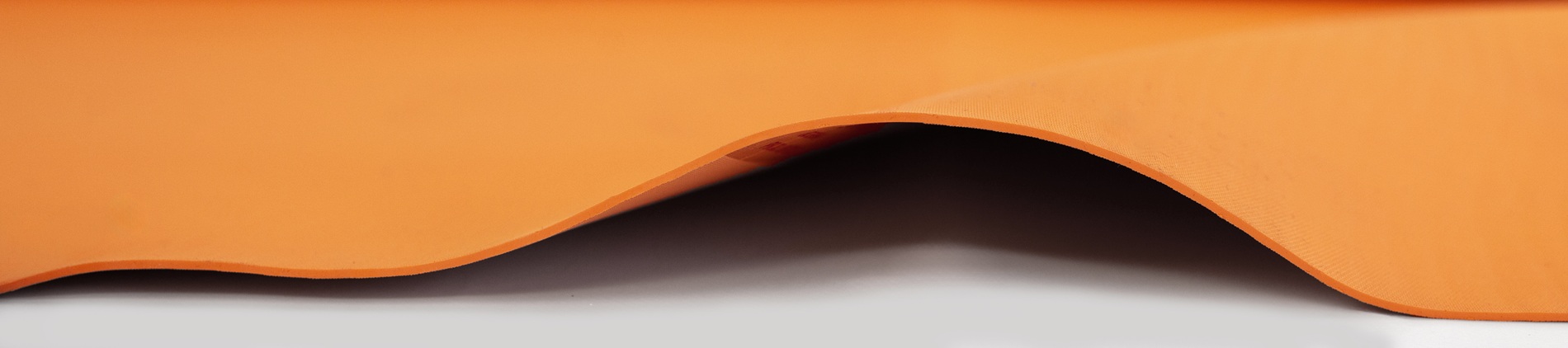
An electrical insulating blanket is a flexible, high-dielectric protective covering used during live working.
It shields energised or nearby conductive parts and reduces the risk of accidental contact. The blanket creates a temporary insulating barrier over exposed components. This barrier helps prevent electric shock when technicians work in proximity to live parts.
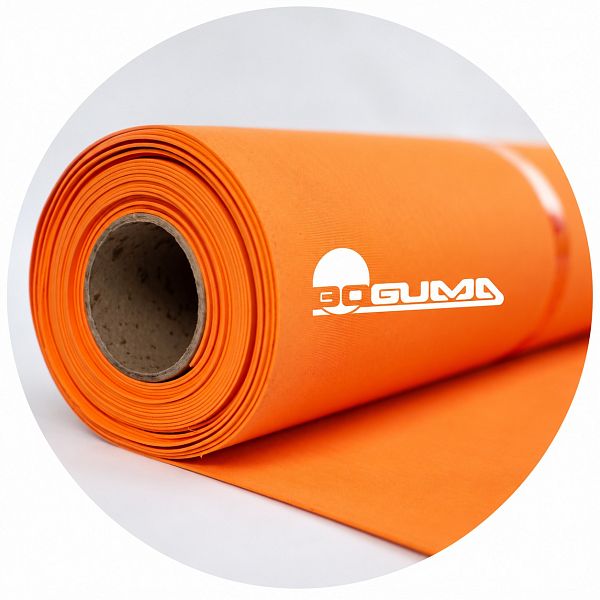
Insulating blankets differ from insulating mats in function and placement. Blankets cover equipment and conductors, while mats protect personnel standing on the floor. Boguma insulating blankets use high-quality elastomer compounds developed for electrical insulation.
These materials provide reliable dielectric strength and long-term flexibility.
-
Covers live or adjacent conductive parts during maintenance
-
Reduces accidental contact risk and electric shock exposure
-
Complements live working methods without interrupting operations
-
Supports compliance with electrical safety procedures
Correct application improves worker safety and task efficiency. Selection, positioning, and inspection maintain dielectric protection throughout the job.
When and where an insulating blanket is used
Insulating blankets are used during live working or work in close proximity to energised parts. They protect exposed components and adjacent conductive elements during maintenance and inspections. Technicians apply insulating blankets to reduce accidental contact risks.
The blankets support safe positioning of tools and hands near live equipment.
|
Application area
|
Typical components covered
|
Purpose
|
|
Switchboards
|
busbars, terminals
|
shock prevention
|
|
Control panels
|
connectors, wiring
|
safe maintenance
|
|
Substations
|
live conductors
|
proximity protection
|
|
Industrial equipment
|
adjacent live parts
|
risk reduction
|
Utilities, industrial maintenance teams and live-line crews use insulating blankets regularly. They form part of a complete live working toolkit together with PPE and insulated tools.
Insulating blankets as part of the electrical safety chain
Insulating blankets support a layered approach to electrical safety during live working. They complement insulated gloves, sleeves, mats and tools to reduce overall risk. These blankets do not replace safe working procedures or isolation requirements. They add an additional protective barrier when full de-energisation is not possible. Correct blanket selection maintains adequate dielectric protection.
Technicians must choose the right class, size and material for each task. Regular inspection and proper application preserve electrical safety performance. Training and supervision ensure blankets deliver reliable protection throughout their service life.
Standards for electrical insulating blankets: IEC 61112 and class 0
IEC 61112:2009 defines the international safety requirements for electrical insulating blankets used in live working. The standard specifies classification, testing methods and performance criteria.
BOGUMA insulating blankets comply with IEC 61112:2009 class 0. This class supports working voltages up to 1000 V AC in low-voltage systems. The standard verifies safety through dielectric, mechanical and ageing tests. These tests confirm insulation performance under electrical, mechanical and environmental stress.
IEC 61112:2009 also defines performance categories for harsh conditions. Categories such as acid resistance and ozone resistance indicate suitability for demanding environments.
-
IEC 61112:2009 as the reference safety standard
-
Class 0 rating for low-voltage live working
-
Dielectric tests to verify insulation strength
-
Mechanical and ageing tests for durability
-
Category markings for environmental resistance
Compliance with IEC 61112:2009 ensures traceable and repeatable safety performance. Certified blankets support audits, procedures and regulatory compliance.
What class 0 means in practice
Class 0 defines the maximum safe working voltage for electrical insulating blankets used in live working. It specifies clear limits for operating, test and withstand voltages. These limits ensure predictable dielectric performance under controlled conditions. Users must always stay within the voltage values defined by the standard and manufacturer.
|
Voltage parameter
|
Class 0 value
|
Purpose
|
|
Working voltage
|
up to 1000 V AC
|
safe live working
|
|
Proof (test) voltage
|
higher than working voltage
|
routine verification (proof test 5 kV)
|
|
Withstand voltage
|
significantly higher
|
safety margin (withstand test 10 kV)
|
Class 0 blankets suit low-voltage electrical installations. Typical applications include distribution boards, switchboards and control panels. Using blankets within rated limits preserves electrical safety and compliance. Exceeding voltage ratings compromises insulation and increases accident risk.
Marking, traceability and documentation
Electrical insulating blankets require clear and permanent marking to ensure correct identification. Markings indicate the applicable standard, class, manufacturer and year of manufacture. BOGUMA This solution ensures durable and unerasable identification along the entire blanket length. Traceability supports safety audits, inspections and compliance checks.
Safety managers can quickly verify that the correct blanket is in use. Proper documentation strengthens risk assessments and live working procedures. Certificates, datasheets and declarations of conformity should remain available throughout the product life.
Key technical features of BOGUMA insulating blankets
BOGUMA insulating blankets combine high dielectric strength with practical flexibility. They support safe live working while allowing technicians to position protection quickly. The blankets use vulcanised elastomer compounds designed specifically for electrical insulation. This material maintains performance under mechanical stress and repeated handling. Available designs balance mechanical strength and ease of use.
Thickness and weight support durability without compromising ergonomics.
-
Class 0 rating for up to 1000 V AC
-
High dielectric strength for reliable insulation
-
Flexible elastomer construction for easy positioning
-
Resistance to acids and ozone for harsh environments
-
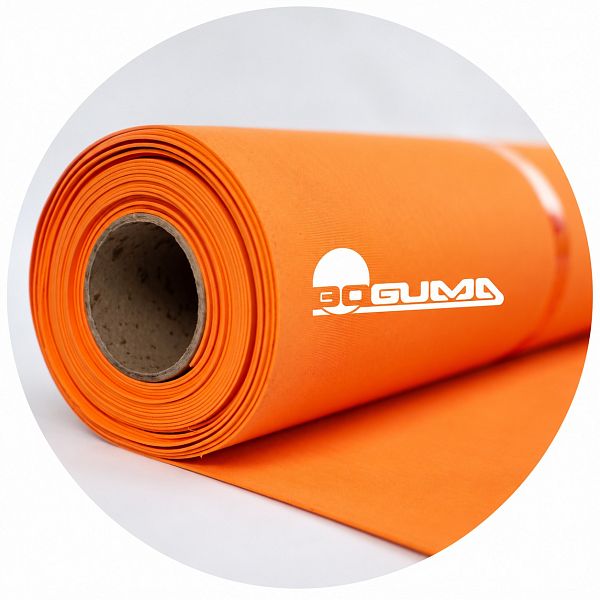
Supplied in rolls for custom cutting and coverage
Standard roll widths support efficient coverage of equipment and conductors. Custom sizes help teams adapt blankets to specific tools and procedures.
Surface finish, colour and ergonomics
Surface finish and colour influence handling safety and working efficiency. BOGUMA insulating blankets are designed to support secure positioning and high visibility. Different surface structures suit specific working environments and preferences. The right choice improves grip, cleaning effort and long-term usability.
|
Feature
|
Cloth-impression surface
|
Smooth surface
|
|
Grip
|
higher friction
|
lower friction
|
|
Cleaning
|
moderate effort
|
easy cleaning
|
|
Typical use
|
indoor, control panels
|
outdoor, harsh environments
|
|
Handling
|
reduced slipping
|
quick repositioning
|
Bright colours such as orange or salmon improve visibility around energised equipment. High visibility helps technicians maintain awareness during live working. Low weight and flexibility support fast installation and removal. These ergonomic properties reduce fatigue and improve task efficiency in confined spaces.
Mechanical strength and durability
Mechanical strength determines how well an insulating blanket performs during repeated live working tasks. BOGUMA insulating blankets are designed to withstand frequent folding, wrapping and repositioning. High tensile strength and elongation support safe handling without tearing.
These properties help blankets maintain integrity even under mechanical stress.
Strong tear resistance protects blankets from accidental damage on sharp edges. This durability reduces the risk of sudden insulation failure during work. Robust mechanical performance extends service life and replacement intervals. Long-term durability lowers total ownership costs and improves operational reliability.
Typical applications of electrical insulating blankets in the field
Electrical insulating blankets protect energised components and adjacent live parts during live working. They help maintain safe clearances while technicians position tools and hands near conductors. In the field, blankets support controlled working conditions across varied installations.
They reduce exposure to accidental contact and improve task confidence.
-
Distribution boards and switchboards during maintenance
-
Substations and transformer bays for proximity protection
-
Industrial control panels with adjacent live conductors
-
Overhead lines and rail infrastructure during interventions
By covering exposed parts, blankets help stabilise working zones. They support safe positioning and reduce the likelihood of electrical incidents.
Utility and energy sector use
Power utilities and energy operators rely on insulating blankets for safe live working and proximity tasks. These blankets protect staff during interventions where de-energisation is not feasible. Insulating blankets support work around transformers, busbars and control equipment.
They help maintain safe clearances and reduce accidental contact risks.
|
Sector area
|
Typical equipment
|
Safety benefit
|
|
Substations
|
busbars, disconnectors
|
proximity protection
|
|
Distribution networks
|
switchgear, cabinets
|
shock risk reduction
|
|
Renewable plants
|
inverters, panels
|
controlled live work
|
|
Rail energy systems
|
feeders, terminals
|
clearance management
|
Utilities integrate blankets into structured safety programmes. This integration supports compliance, consistency and worker confidence.
Industrial maintenance and OEM applications
Industrial maintenance teams use insulating blankets during service tasks near live conductors. They protect adjacent parts when full shutdown would disrupt production or critical processes.
OEM manufacturers specify insulating blankets in machines, panels and integrated systems. This specification supports safer servicing throughout the equipment lifecycle. Data centres, transport operators and industrial plants rely on controlled live working practices.
Insulating blankets help isolate nearby live parts without dismantling complex installations. Standardised use improves consistency, training efficiency and compliance. Certified blankets support safe maintenance across multiple sites and applications.
How to choose the right insulating blanket for your tasks
Choosing the right insulating blanket ensures effective protection during live working. Selection depends on system voltage, working method and environmental conditions. Class 0 IEC 61112:2009 blankets suit many low-voltage live working tasks. Higher voltages or special risks may require additional protective measures.
Environmental exposure influences material performance and service life. Chemical agents, ozone, UV and temperature affect long-term insulation reliability.
-
System voltage and class rating must match the task
-
Working method defines coverage and handling needs
-
Environment affects material resistance requirements
-
Mechanical demands influence thickness and surface choice
Correct selection reduces risk, downtime and replacement frequency. Consultation with technical specialists supports safe and compliant decisions.
Matching blanket characteristics to real working conditions
Real working conditions vary widely across electrical installations and environments. Matching blanket characteristics to each task ensures consistent dielectric protection. Different applications present specific mechanical and environmental challenges. Blanket selection must reflect exposure, handling frequency and access constraints.
|
Working environment
|
Key risk
|
Recommended characteristic
|
|
Battery rooms
|
chemical exposure
|
acid-resistant elastomer
|
|
Outdoor equipment
|
ozone and UV
|
ozone-resistant surface
|
|
Switchboards
|
frequent handling
|
flexible cloth-impression surface
|
|
Confined spaces
|
limited access
|
thin, lightweight blanket
|
Selecting the right thickness and surface improves handling speed and coverage accuracy. Technical consultation supports correct specification for complex or unusual projects.
Balancing safety, durability and budget
Balancing safety, durability and budget requires a long-term perspective on electrical risk. Certified insulating blankets reduce accident probability and support consistent protection. High-quality materials extend service life and inspection intervals. This durability lowers replacement frequency and total cost of ownership.
Downtime, incidents and non-compliance generate significantly higher costs than proper protection. Investing in certified insulating blankets mitigates operational and legal risks. Evaluating total ownership cost supports sustainable purchasing decisions. Safety managers benefit from predictable performance and documented compliance.
Certified insulating blankets from BOGUMA: quality, safety and flexibility
BOGUMA operates as a specialised European manufacturer of rubber products with a strong focus on electrical insulation. Its insulating blankets support safe live working across industrial and utility environments worldwide. All BOGUMA insulating blankets comply with IEC 61112:2009 class 0 requirements. They clearly define operating, proof and withstand voltages for predictable safety performance.
Customers benefit from consistent product quality and reliable technical documentation. This consistency supports audits, procedures and long-term safety programmes.
-
IEC 61112:2009 class 0 certification for low-voltage live working
-
Defined operating and test voltages for controlled use
-
European manufacturing standards and quality control
-
Technical documentation for compliance and audits
-
Flexible supply formats for varied applications
BOGUMA focuses on practical safety and operational flexibility. Its insulating blankets integrate smoothly into professional electrical safety concepts.
Product range and configuration options
BOGUMA offers insulating blankets in a broad, standardised product range suitable for live working. The range supports different handling preferences, environments and coverage requirements. Blankets are available in multiple thicknesses, surfaces and widths within the IEC 61112:2009 framework. This flexibility allows teams to standardise safety while adapting to real working conditions.
|
Configuration option
|
Available variants
|
Practical benefit
|
|
Thickness
|
approx. 1.0–1.5 mm
|
balance of strength and flexibility
|
|
Surface finish
|
cloth-impression, smooth
|
grip or easy cleaning
|
|
Colour
|
orange, salmon
|
high visibility
|
|
Roll width
|
approx. 1 m, 1.2 m
|
efficient coverage and cutting
|
Roll formats allow custom cutting into task-specific shapes. This approach supports alignment with tools, procedures and safety instructions.
Why safety managers and buyers choose BOGUMA
Safety managers choose BOGUMA for consistent quality and predictable safety performance. Standardised insulating blankets simplify training, inspections and internal procedures. Buyers value long-term supply stability and technical transparency.
Clear documentation supports audits, certifications and regulatory compliance.
Working with a single, proven manufacturer reduces procurement complexity and risk. Standardisation across sites improves stock management and replacement planning. BOGUMA supports long-term cooperation and technical consultation. This partnership approach strengthens electrical safety strategies across organisations.
Installation and safe use of insulating blankets
Correct installation ensures full dielectric protection during live working. Preparation and controlled handling reduce the risk of insulation failure. Technicians must verify voltage level, blanket class and coverage area before use. Proper positioning maintains safe clearances around energised components.
-
Assess risks and confirm system voltage before installation
-
Select correct class and blanket size for the task
-
Position blankets to fully cover live and adjacent parts
-
Secure blankets with non-conductive accessories
-
Avoid sharp edges and excessive tension
Correct installation improves worker safety and task efficiency. Consistent procedures support compliance with live working requirements.
Preparing the work area
Proper preparation of the work area ensures safe and reliable use of insulating blankets. Clean, dry and accessible components reduce the risk of damage to the blanket. Before covering live parts, technicians should remove contaminants and moisture. Clean surfaces protect the elastomer and maintain dielectric performance.
|
Preparation step
|
Purpose
|
Safety benefit
|
|
Cleaning components
|
removes dirt and grease
|
protects insulation
|
|
Drying surfaces
|
avoids moisture paths
|
maintains dielectric strength
|
|
Checking edges
|
identifies sharp points
|
prevents cuts and tears
|
|
Marking work zone
|
informs other workers
|
reduces interference
|
Clear preparation supports accurate positioning and secure coverage. Warning signs and barriers help maintain awareness during live working tasks.
Safe removal and storage at the end of the task
Safe removal of insulating blankets preserves dielectric integrity and mechanical condition. Technicians should remove blankets carefully without dragging them over sharp surfaces. Gentle folding or rolling prevents stress, cuts and surface damage.
Visual inspection during removal helps detect early signs of wear.
Proper storage protects blankets from environmental degradation. Clean, dry containers away from heat, oils and sunlight extend service life. Recording observations after use supports traceability and maintenance planning. Documenting defects and next test dates maintains compliance and safety.
Inspection, testing and maintenance of insulating blankets
Regular inspection and testing ensure continued dielectric performance and certification compliance. They help identify damage before it compromises electrical safety. Visual checks detect early signs of wear or contamination. Periodic electrical testing confirms that insulation strength remains within required limits.
-
Cracks, cuts or punctures on the surface
-
Swelling or deformation of the elastomer
-
Surface contamination or discolouration
-
Illegible or damaged markings
-
Signs of chemical or ozone attack
Any doubtful blanket must be removed from service immediately. Replacement or retesting protects workers and prevents unsafe reuse.
Defining inspection and test intervals
Inspection and test intervals define how well insulating blankets maintain safe working performance over time. Intervals should reflect manufacturer guidance, IEC 61112:2009 requirements and internal risk assessments. Different inspection levels address specific stages of blanket use.
Each level supports early detection of damage and loss of dielectric properties.
|
Inspection type
|
Frequency
|
Purpose
|
|
Pre-use check
|
before each task
|
detect visible damage
|
|
Periodic inspection
|
defined by procedure
|
detailed condition review
|
|
Dielectric test
|
scheduled interval
|
verify insulation strength
|
Recording inspection results supports traceability and audit readiness. Consistent documentation helps manage service life and replacement planning.
Cleaning methods and what to avoid
Proper cleaning maintains dielectric performance and surface integrity of insulating blankets. Gentle routines protect elastomer compounds from premature degradation.
Suitable cleaning methods use mild detergents and clean water. Soft cloths or sponges remove dirt without damaging the surface.
Solvents, petroleum-based products and abrasive tools damage insulation properties. These substances attack rubber and EPDM materials and reduce electrical safety.
Simple cleaning after each task supports long service life and reliable grip. Drying blankets completely before storage prevents moisture-related deterioration.
Common mistakes when using insulating blankets and how to avoid them
Common mistakes reduce electrical safety and compliance during live working tasks. Many incidents result from improper selection, handling or storage of insulating blankets. Using non-certified products or exceeding voltage limits compromises dielectric protection. Poor coverage of live parts increases the risk of accidental contact and electric shock.
-
Using blankets without IEC 61112:2009 certification
-
Exceeding the rated voltage class
-
Incomplete coverage of live or adjacent parts
-
Using damaged or contaminated blankets
-
Improper storage after use
Avoiding these mistakes supports safe, repeatable working practices. Clear procedures and supervision reduce risk and improve consistency.
Training and competence of personnel
Only trained and authorised personnel should handle electrical insulating blankets during live working. Proper training ensures correct selection, positioning and inspection of blankets. Electrical safety training should include practical instruction on blanket application. Visual examples, diagrams and simulations improve understanding around complex equipment.
Regular refresher training maintains awareness of procedures and risks. Competent personnel reduce errors and support consistent safety performance. Clear competence requirements strengthen organisational safety culture. Documented training supports audits and regulatory compliance.
Insulating blankets in a complete electrical safety concept
Insulating blankets play a key role within a layered electrical safety concept. They complement other protective measures and reduce residual risk during live working. A complete safety concept combines procedures, equipment and training. Insulating blankets support controlled work near energised parts when isolation is not possible.
-
Insulating gloves, sleeves and mats for personal protection
-
Insulating blankets to cover live or adjacent conductive parts
-
Insulated tools and accessories for safe handling
-
Risk assessments and procedures to define safe working methods
-
Training and documentation to ensure consistent application
Integrating insulating blankets strengthens overall electrical risk management. This integration improves protection, compliance and operational confidence.
Steps for safety managers and engineers
Safety managers and engineers benefit from a structured approach to electrical protection. Clear steps help integrate insulating blankets into existing safety systems. A practical roadmap starts with site surveys and risk assessments. These steps identify where insulating blankets improve protection during live working.
Standardising insulating blankets simplifies training, stock management and replacement planning.
Consistency across sites reduces errors and improves compliance. Ongoing review keeps the safety concept effective and up to date. Collaboration between HSE, maintenance and purchasing teams supports long-term risk reduction.
FAQ – most frequently searched questions
What is an electrical insulating blanket and how is it used?
An electrical insulating blanket is a flexible high-dielectric protective cover used during live working. It covers energised or adjacent conductive parts to reduce accidental contact and electric shock risk.
Which insulating blanket class do I need for 1000v systems?
Low-voltage systems up to 1000 V AC require a class 0 insulating blanket. This class complies with IEC 61112:2009 requirements for low-voltage live working tasks.
What is the difference between an insulating blanket and an insulating mat?
An insulating blanket covers live equipment and conductors. An insulating mat protects personnel standing on the floor and does not cover components.
How do I choose the right insulating blanket for live working?
Selection depends on system voltage, working method and environment. Certified IEC 61112:2009 blankets with the correct class ensure compliant and safe use.
How often should electrical insulating blankets be inspected and tested?
Blankets require visual inspection before each use and periodic electrical testing. Testing intervals follow IEC 61112:2009 guidance and internal risk assessments.
Can insulating blankets be used outdoors and in harsh environments?
Yes, blankets with acid and ozone resistance categories suit harsh or outdoor conditions. Material resistance ensures reliable insulation in challenging environments.
What does IEC 61112:2009 class 0 mean on an insulating blanket?
Class 0 defines safe working voltage limits for low-voltage live working. It confirms suitability up to 1000 V AC under defined conditions.
How should I store and clean an electrical insulating blanket correctly?
Store blankets clean, dry and protected from heat, oils and sunlight. Clean them with mild detergents and water, then dry thoroughly before storage.
Can I keep using an insulating blanket if it has small cuts or cracks?
No, any damage compromises dielectric protection. Damaged blankets must be removed from service immediately.
Why should I choose certified insulating blankets from a specialised manufacturer?
Certified products provide verified safety, traceability and compliance. Specialised manufacturers ensure consistent quality and long-term reliability.